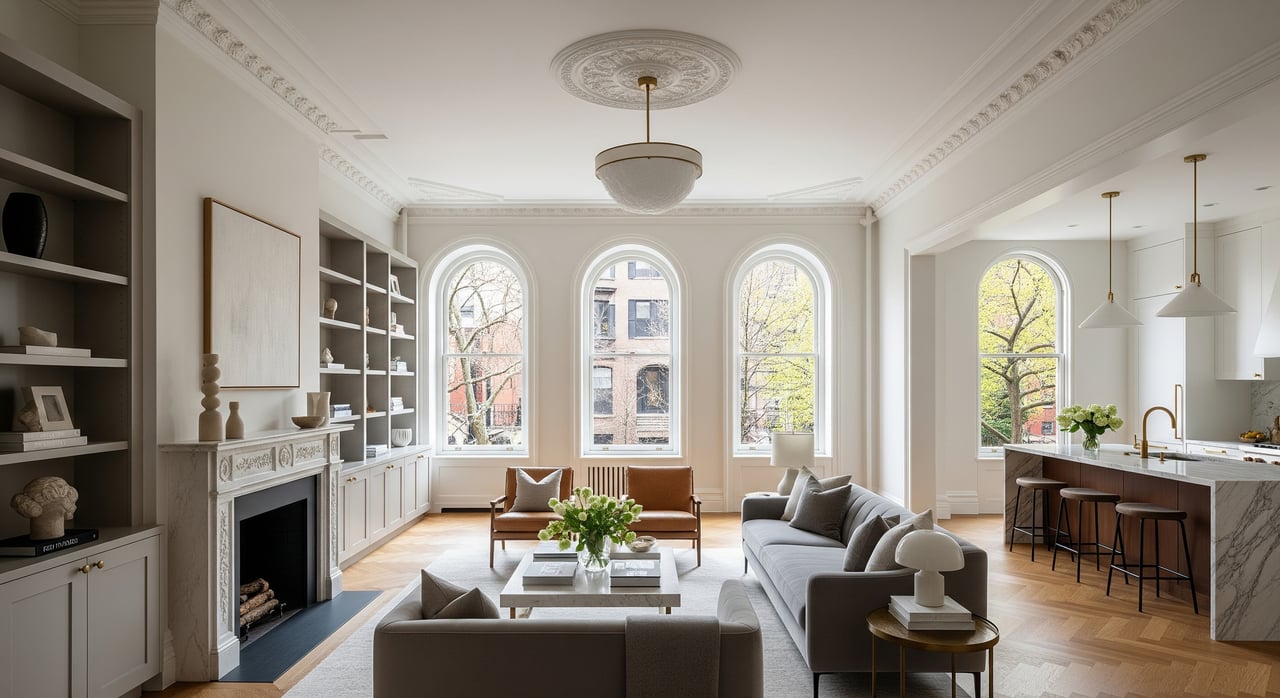
Thinking about selling your Upper West Side co-op and wondering how to boost your price without paying for prep work upfront? You are not alone. Many sellers want a turnkey path to market that looks great online, runs smoothly with the building, and closes on schedule. In this case study, you will see how a mid-level refresh using Compass Concierge can get a UWS co-op market-ready, what it typically costs in Manhattan, how long it takes, and how to think about ROI. Let’s dive in.
Executive summary
- Objective: prepare a prewar UWS co-op for sale with an appealing, neutral look and a clean, staged presentation.
- Approach: mid-level refresh focused on paint, lighting, floor refinishing, a cosmetic kitchen and bath update, professional staging, and polished marketing.
- Expected timeline: about 3–6 weeks to go live after vendor engagement, depending on building access and scheduling.
- Budget guidance: itemized costs generally fall within representative NYC ranges listed below. Final quotes vary by vendor, building rules, and scope.
- ROI lens: track list-to-contract timeline, showing activity, and price metrics alongside spend. Use a simple formula to estimate return and note market conditions.
What Compass Concierge does
Compass Concierge is a program where Compass arranges and advances funds for pre-sale services such as painting, cosmetic repairs, staging, photography, and related preparation. You repay the costs from your sale proceeds at closing. The goal is to remove upfront cost barriers and accelerate market readiness. Program terms, caps, and any fees vary by market, so confirm the exact NYC details with your local Compass agent and your closing attorney.
Common covered services in Manhattan include:
- Painting, drywall patching, and minor carpentry
- Lighting and fixture swaps, floor refinishing
- Cosmetic kitchen and bath refreshes that do not require structural or major plumbing/electrical work
- Professional staging, deep cleaning, decluttering, and photography or virtual tours
Property context: UWS co-op realities
Upper West Side inventory skews heavily toward co-ops in prewar and mid-century elevator buildings and walk-ups. That often means charming details, smaller kitchens and baths, and layouts that benefit from simple, coordinated updates like fresh paint, lighting, and refinished floors.
Co-op governance affects what you can do before listing. Buildings typically require vendor certificates of insurance, weekday work hours, and service elevator reservations for deliveries or debris removal. Cosmetic work like painting, fixture swaps, and floor refinishing is commonly allowed with proper documentation. Anything that touches plumbing, electrical, or structure may require board and city approvals, which adds time. Co-op closings also involve a board package and interview, so plan for buyer approval timelines that often run 60 to 90 days.
Case study scope: mid-level refresh
This UWS co-op case focuses on a mid-level refresh that avoids structural work but creates a stronger buyer impression. Scope items align with what co-ops commonly permit with COIs and standard building coordination.
Goals
- Neutralize the palette and brighten rooms for photography and showings
- Improve perceived value with targeted kitchen and bath updates
- Create a cohesive staging plan that highlights space and flow
- Keep within a pre-agreed budget and timeline window
Work completed
- Painting and wall repair throughout (neutral, light palette)
- Floor refinishing for worn parquet or hardwood
- Kitchen cosmetic refresh (cabinet refacing or paint, updated hardware, new countertop if needed)
- Bathroom refresh (regrout, new vanity and fixtures)
- Lighting and hardware updates for consistency and warmth
- Professional staging install for the main rooms
- Deep clean, declutter guidance, and photography with a virtual tour option
Building coordination
- COIs collected from all vendors naming the building and management as additionally insured
- Service elevator reservations for staging delivery and removal
- Weekday work windows scheduled in advance to reduce delays
Costs: representative NYC ranges
Final costs depend on unit size, building access, materials, and vendor calendars. The ranges below reflect representative UWS pricing.
- Full apartment painting: $2,000 to $8,000
- Floor refinishing: $3,000 to $10,000
- Kitchen cosmetic refresh: $5,000 to $25,000
- Bathroom cosmetic refresh: $2,000 to $12,000+
- Professional staging rental: $1,500 to $5,000 per month
- Photography, virtual tour, and related media: $300 to $2,000
- Minor repairs and carpentry: $500 to $8,000
- Deep cleaning and decluttering: $200 to $2,000
A mid-level refresh often combines several of these line items. Your exact plan should be based on comps, buyer expectations in the building, and your target timeline to list.
Timeline: from planning to photos
Timeline is shaped by building rules, vendor availability, and scope. For a mid-level refresh, a 3–6 week runway is typical once vendors are engaged.
- Week 1: Vendor selection, COIs, elevator reservations, material choices
- Weeks 2–3: Painting and lighting updates, deep clean, minor repairs
- Weeks 3–4: Floor refinishing with cure time; kitchen and bath cosmetic refresh in parallel where possible
- Week 4–5: Staging installation and styling
- End of Week 4–6: Professional photography and virtual tour, final punch list, listing goes live
If your plan requires board or Department of Buildings approvals, add lead time accordingly. Cosmetic scopes generally avoid permits, but confirm if any item might trigger plumbing or electrical requirements.
Marketing and metrics to track
A strong result is not just about how the home looks. It is also about what you can measure.
Track these metrics for credibility and to quantify impact:
- Itemized pre-sale spend by category and vendor
- Dates: vendor engagement, start and finish, photography, list date, contract date, and closing date
- List price, contract price, and sale price if different
- Days on market before contract; separate prep time from marketing time
- Price per square foot versus similar sales in the building or immediate area
- Buyer and agent feedback that highlights which improvements mattered most
- Staging rental period and removal date
ROI: simple, transparent math
You can estimate the financial return with a basic formula. Keep in mind that attribution is imperfect and market conditions may change during your prep and listing window.
- ROI formula: (increase in sale price attributable to improvements − cost of improvements) ÷ cost of improvements
- Complement the math with process metrics like days on market reduction, showing volume, and online engagement. These often signal value even when exact price attribution is hard to isolate.
- Compare to near-term comps in the building or nearby blocks that did not receive similar refreshes. This adds context to your pricing outcome.
Present ROI as an estimate, and note other factors that affect net proceeds such as flip taxes, transfer fees, and closing costs. Your attorney can confirm final figures from the closing statement.
Lessons learned for UWS co-ops
- Get building rules early. Ask management for COI requirements, work hours, and elevator protocols before scheduling vendors.
- Prefer cosmetic wins over invasive changes. Painting, floors, and lighting often deliver a strong lift without approvals that add weeks.
- Align scope with local comps. Avoid overimproving beyond what buyers expect in your building and price band.
- Document everything. Keep invoices, date-stamped photos, and marketing analytics to support your pricing story.
What the seller experienced
By focusing on a mid-level refresh, the home presented cleanly online and in person, which supports stronger first-week engagement. Cosmetic updates and staging helped buyers visualize daily living and reduced questions about immediate post-closing work. The preparation also kept the listing timeline predictable, since the work stayed within standard co-op rules and avoided permit delays.
How DTNYC manages the process
You should not have to orchestrate vendors, COIs, schedules, and staging on your own. A hands-on team coordinates the plan, keeps the scope within building rules, tracks spend against quotes, and ensures the listing is ready with polished photography and marketing. This reduces friction for you and keeps the focus on price, presentation, and speed to contract.
Ready to talk about timing, budget, and market positioning for your UWS co-op? Connect with the DTNYC Team to Request a VIP Market Valuation and a tailored Compass Concierge plan for your building.
FAQs
What is Compass Concierge for a UWS co-op?
- It is a program where Compass arranges and advances funds for pre-sale services like painting, staging, and photography, and you repay costs from your sale proceeds at closing.
Which prep items usually deliver value in UWS co-ops?
- Neutral paint, floor refinishing, coordinated lighting and hardware, and cosmetic kitchen and bath updates tend to improve photos and showings without permits.
How long does a mid-level refresh take before listing?
- Once vendors are engaged and building logistics are set, a mid-level refresh typically takes about 3 to 6 weeks to get to professional photos and go live.
What building rules should I plan around?
- Expect vendor COIs, weekday work hours, service elevator reservations, and management approval for deliveries, with additional approvals for any work that involves plumbing or electrical.
How do I estimate ROI on pre-sale work?
- Use a simple formula that compares price uplift to total improvement cost, then add process metrics like days on market and buyer feedback for a fuller picture.
