Living near Hudson River Park can change how your day feels. In the West Village, the waterfront is not just a backdrop for skyline photos. It is part of the neighborhood’s daily rhythm, from early runs and dog walks to playtime, picnics, and outdoor dinners. If you are thinking about life in this part of Manhattan, it helps to understand how the park shapes everyday routines, housing decisions, and the overall feel of the area. Let’s dive in.
Hudson River Park Shapes Daily Life
Hudson River Park is the defining open space along the West Village waterfront. Its Greenwich Village section runs from Canal Street to Gansevoort Street, and the broader park stretches four miles from Battery Park City to West 59th Street across 550 acres. The park is open daily from 6:00 AM to 1:00 AM unless otherwise posted, and it draws more than 17 million visits each year.
For West Village residents, that scale matters because the park functions like an everyday extension of the neighborhood. The Greenwich Village stretch was the first completed section and includes an uninterrupted esplanade, river and harbor views, and lawns designed for relaxing outdoors. In practice, that means you have a waterfront space that supports both quick routines and longer, slower weekends.
Mornings Often Start on the Esplanade
If you like to begin the day outside, this part of the park makes that easy. Hudson River Park highlights year-round running with nearly uninterrupted river views, and the protected bikeway runs the length of the park for both recreation and commuting. Water stops and restrooms also support regular use, which can make a real difference if you are fitting movement into a busy Manhattan schedule.
That convenience is part of what gives the waterfront its daily appeal. Instead of treating the river as a place you visit once in a while, many people use it as a practical route for exercise or getting around. In a neighborhood where outdoor space is valuable, that kind of access carries weight.
Dog Owners Get Useful, Repeatable Routines
For dog owners, Hudson River Park offers more than scenic sidewalks. The park includes five dog parks with seasonal water features, and the Leroy Street Dog Park is especially relevant for the West Village. It sits near Pier 40 and is a short walk from Pier 45 and Pier 46.
The dog parks are open daily from 6:00 AM to 1:00 AM, with scheduled cleaning windows. That long operating window supports real routines, whether you prefer an early outing before work or a later evening stop. When buyers ask what everyday life looks like near the waterfront, this is the kind of detail that matters.
Families Have Easy Waterfront Options
The West Village waterfront also offers spaces that work well for family time without needing a major plan. Pier 51 features climbing equipment, slides, water and sand play, seating, a pretend boat hull, and a stream-like design with bronze aquatic details. The water features are turned off seasonally, but the play area still gives families a strong destination close to home.
Pier 45 adds another layer. It includes a promenade, shade structures, spray showers, seating areas, wood decking, and a large lawn that Hudson River Park describes as one of the park’s most popular lawns. For residents, that can translate into simple local routines like an after-school stop, an outdoor lunch, or time outside on a warm weekend.
Social Time Centers Around Pier 45
One reason this stretch feels so livable is that the waterfront supports casual social time as well as recreation. Drift In at Pier 45 offers outdoor dining with river views, shaded seating, sandwiches, surf and turf, and oysters. Nearby, the Christopher Street Fountain is noted as a common meeting place.
This mix of seating, dining, and open space gives the area flexibility. You can meet friends for a casual meal, bring takeout to the lawn, or simply walk down for a change of scenery. In a dense city environment, that kind of easy outdoor gathering space can shape how often you use your neighborhood instead of leaving it.
Seasonal Programming Keeps the Park Active
Hudson River Park is a year-round public space, but warmer months add another dimension. The park’s Healthy on the Hudson series offers free fitness classes from June through September, including formats like conditioning, HIIT, Pilates, strength, sculpt, and yoga. Recent schedules have included Pier 46 in Greenwich Village.
That seasonal programming adds energy without changing the park’s core function. Even in cooler months, the esplanade, bikeway, piers, and lawns continue to anchor daily life. But in summer, the park becomes even more active, especially around fitness classes, water features, outdoor dining, and lawn use.
What Housing Near the Park Looks Like
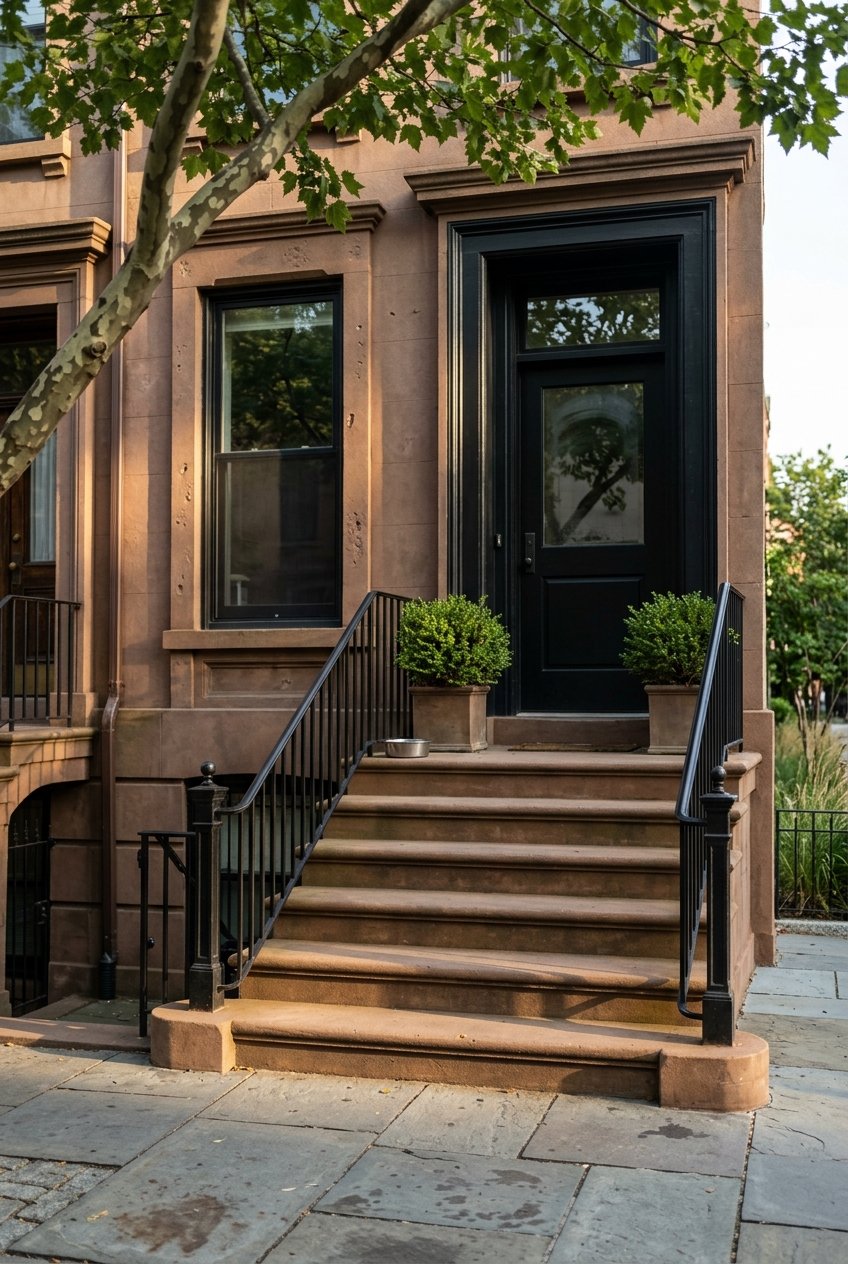
If you are considering a move to the Far West Village, the housing stock reflects the area’s long waterfront and industrial history. According to NYC Planning, the area is predominantly residential today, with converted loft buildings, 19th-century row houses, the 42 six-story buildings of the West Village Houses complex, and newer taller residential buildings. Remaining loft buildings and smaller hotels still reflect the neighborhood’s earlier manufacturing and maritime role.
For buyers, that means the housing mix can feel layered rather than uniform. You may find preserved townhouses on one block, loft-style residences on another, and larger residential buildings closer to the waterfront. This variety is part of what gives the area its texture and long-standing appeal.
Historic Preservation Influences the Streetscape
The neighborhood’s physical character is shaped in large part by preservation rules. The Greenwich Village Historic District was designated in 1969 and includes more than 2,000 buildings across 65 blocks, making it the largest historic district in New York City. The Greenwich Village Historic District Extension also recognizes about 45 waterfront buildings spanning nearly two centuries of development along the Hudson River.
For you as a buyer or owner, that often means the neighborhood keeps a strong sense of architectural continuity. The streetscape tends to favor preserved low-rise character and historic fabric over large-scale new development. That does not mean change never happens, but it does help explain why this part of the West Village feels distinct from many other Manhattan waterfront areas.
Landmark Rules Matter for Buyers and Owners
If you are looking at a property in a historic district, it is important to understand what landmark status can mean in practice. The New York City Landmarks Preservation Commission states that most exterior changes to buildings in historic districts require review and permits. Staff reviews proposals based on how they affect the architectural and historic character of both the building and the district.
That does not automatically make ownership harder, but it does add an extra layer to renovations and exterior updates. If you are evaluating a townhouse, loft conversion, or apartment in a landmarked building, it helps to go in with a clear understanding of what may require approvals. For many buyers, this is part of the tradeoff for owning in one of Manhattan’s most visually consistent and historically significant neighborhoods.
Why the Waterfront Lifestyle Stands Out
What sets everyday life along Hudson River Park apart is how naturally the park fits into regular routines. You can run along the river in the morning, stop at the dog park in the afternoon, meet friends near Pier 45 in the evening, or spend part of a weekend on the lawn with a view of the harbor. The park supports both movement and downtime, which is rare even in a city filled with notable public spaces.
For buyers, that lifestyle can be just as important as square footage or finishes. Access to a daily-use waterfront changes how the neighborhood lives, not just how it looks on paper. And for owners thinking about long-term value, that kind of established public amenity often becomes a meaningful part of the area’s appeal.
If you are considering buying or selling in the West Village, neighborhood context matters. The right guidance can help you understand not only the property itself, but also how daily life around Hudson River Park may shape your decision. To talk through the West Village market with a team that understands Manhattan block by block, connect with the DTNYC Team.
FAQs
What is Hudson River Park’s role in everyday West Village life?
- Hudson River Park serves as the main waterfront open space for the area, supporting daily routines like running, biking, dog walking, family play, picnics, and outdoor dining.
What are the main Hudson River Park spots near the West Village?
- Key nearby spots include Pier 45, Pier 46, Pier 51, the Leroy Street Dog Park, and the Christopher Street Fountain area.
What are Hudson River Park hours in the West Village?
- Hudson River Park is open daily from 6:00 AM to 1:00 AM unless otherwise posted.
What family-friendly features are available at Pier 51?
- Pier 51 includes climbing equipment, slides, water and sand play, seating, a pretend boat hull, and a stream-like layout with aquatic design details.
What should West Village buyers know about historic district rules?
- Buyers should know that most exterior changes to buildings in historic districts require review and permits from the New York City Landmarks Preservation Commission.
What types of homes are common near Hudson River Park in the West Village?
- The Far West Village includes converted loft buildings, 19th-century row houses, the West Village Houses complex, and some newer taller residential buildings.
