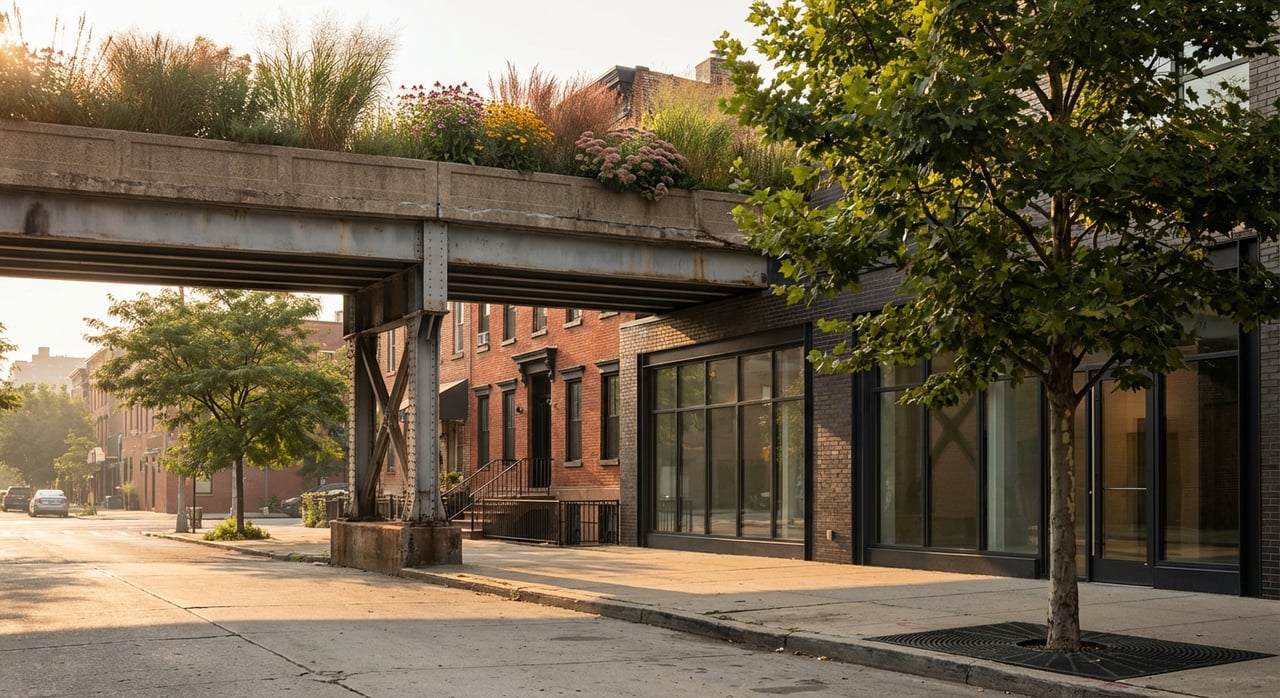
Thinking about making the High Line part of your daily routine? If you love green space, art, and walkable dining, living near the High Line in Chelsea can feel like you’re plugged into a constantly changing city stage. At the same time, you want a clear picture of daily rhythms, access, and what to consider on a showing. This guide breaks down what life really looks like nearby, with practical tips to help you choose the right building and block. Let’s dive in.
What the High Line offers
The High Line is a 1.45‑mile elevated park built on a former freight rail line that runs from Gansevoort Street to West 34th Street on Manhattan’s west side. It opened in phases starting in 2009 and is owned by New York City while operations and programming are handled by Friends of the High Line. You get more than a walkway here: it’s a curated public space with rotating art, classes, tours, and events that add daily variety to the neighborhood experience. You can read about its history and route on the park’s Wikipedia overview and the operator’s mission on Friends of the High Line’s site.
A defining feature is the horticultural design. The gardens are arranged in distinct planting zones, creating a meadow-like feel with year-round interest. You’ll notice early spring bulbs, lush summer perennials, textured fall seed heads, and sculptural winter plant forms. Friends of the High Line highlights the gardens as a core part of the park’s identity in their about page.
Getting there and around
There are multiple entrances along the route, with five wheelchair-accessible points at Gansevoort, 14th, 16th, 23rd, and 30th Streets. Elevators or a ramp serve those access points, and there are stairs at many others. The park also connects to the Spur and the Moynihan Connector, which opened in 2023. For a quick orientation, the Wikipedia summary covers entrances and recent connections.
Transit is straightforward. The 14th Street–Eighth Avenue station (A, C, E, L) serves the south end, and 34th Street–Hudson Yards (7) anchors the north. Buses on 14th, 23rd, and 34th Streets and nearby avenues add more options. You can confirm these links on the park’s Wikipedia page.
The park is free and open year‑round with seasonal hours. To protect plantings and manage safety, operational rules restrict walking dogs and riding bicycles on the walkway, with service animals excepted. Friends of the High Line runs daily operations and programming; you can learn more on Friends’ about page and check visitor rules noted on Wikipedia.
A day in the life nearby
Early mornings are your secret weapon. Locals often grab coffee, take a quiet lap on the park, then stop at a market or café before work. Park staff and visitor guidance note that weekday mornings are generally the calmest times to enjoy the gardens and built-in seating. For current happenings, use the High Line’s events calendar.
Midday and evenings bring energy. The park hosts free programs, docent-led tours, and site-specific art commissions that create a lively rhythm along the route. Installations rotate, so the experience changes month to month. If you plan a sunset walk or a meet-up, it helps to scan the events calendar for pop-ups or occasional closures.
Seasons matter. In spring you’ll see fresh color and new blooms. Summer feels vibrant, with dense plant life and more programming. Fall offers rich textures and seed heads, and winter’s structure makes the pathways feel architectural and serene. The garden-forward design described by Friends of the High Line on their about page is a big reason living nearby stays interesting all year.
Crowds, noise, and flow
The High Line is a global draw, with millions of visits annually and peak usage reported around 8 million by 2019. That popularity means weekend middays and summer afternoons often feel busiest, especially near major access points and cultural anchors. By contrast, weekday mornings and colder months are quieter. You can find usage context on Wikipedia.
Foot traffic affects the surrounding sidewalks too. Cross-streets near key entries can feel more active, and the blocks around anchors like Chelsea Market see heavier flows during lunch and dinner. If you value a calmer feel, consider buildings a bit off the busiest access points or plan your park time for earlier hours.
Housing and streetscape
The area around the High Line has transformed from an industrial corridor to a residential and cultural destination. A mid‑2000s West Chelsea rezoning and transferable development rights helped channel new growth along the avenues while preserving historic mid‑blocks, catalyzing condo construction, loft conversions, and gallery expansion. For a concise look at the economic and planning context, see HR&A’s overview of The High Line Transformation.
Today, you’ll find a mix of building types: converted brick warehouses with loft-style apartments, mid‑century co‑ops a few blocks east, and newer boutique and tower condos closer to the avenues. It’s common for newer developments to highlight skyline or park views, and park-facing homes can carry premiums. The result is a streetscape that pairs industrial heritage with contemporary residential design.
Retail varies block to block. Around 15th–16th Streets by the Meatpacking District, the presence of Chelsea Market creates a stronger food hall and visitor mix. As you move north from the 20s into the low 30s, you’ll notice more office and Hudson Yards–oriented retail and dining. This micro‑shift can help you pick the right stretch based on your day-to-day routines.
Art remains a defining thread. Chelsea has long been a hub for contemporary galleries, and the corridor is still rich for weekend gallery walks. The Whitney Museum sits at the southern gateway near Gansevoort Street, anchoring the cultural scene. Explore the Whitney at whitney.org and browse a sampling of galleries via this curated guide from Two Coats of Paint’s selected gallery list.
Buyer tips near the High Line
Use this quick checklist when touring homes nearby:
- Unit orientation and windows. Does the home face the park, an avenue, or an interior courtyard? Park views can command a premium and come with more visibility from the walkway.
- Entrance proximity. How many blocks to the nearest High Line entrance, and is there an elevator or ramp? Double-check the five accessible entries listed on Wikipedia if accessibility matters.
- Noise and events. Ask building staff how often events have affected noise, deliveries, or street access. Review the park’s events calendar during your preferred visiting hours.
- Building type and amenities. Loft conversions and newer towers differ in fees, amenities, and management style. Review the offering plan and house rules to confirm what fits your lifestyle.
- Transit and errands. Walk the route to your preferred subway lines, daily coffee spot, and grocery options to confirm the feel at different times of day.
Pros and cons at a glance
Pros:
- Direct access to a well-maintained linear park with gardens, public art, and free programming from Friends of the High Line.
- Walkable to anchors like Chelsea Market and the Whitney Museum, plus dense gallery clusters.
- Strong transit at the 14th Street–Eighth Avenue hub and 34th Street–Hudson Yards, with crosstown buses on key streets noted on Wikipedia.
Cons:
- Higher foot traffic near major entrances, with peak periods on weekends and summer afternoons, as noted on Wikipedia.
- Occasional noise or detours tied to public programming and events.
- Premium pricing for park-facing units and the broader effects of neighborhood change that followed the park’s rise in popularity, described in public sources like Wikipedia.
Who this area fits
If you want daily access to green space without leaving Manhattan, the High Line delivers. You can stroll through quiet gardens at sunrise, then walk to museums, galleries, and a variety of restaurants within minutes. Buyers who value an active, culturally rich neighborhood often find this corridor ideal, especially if you plan your park time during quieter windows and choose a building that matches your preferences for exposure, privacy, and amenities. For programming and seasonal highlights, check the park’s events page.
How we can help
Choosing the right home near the High Line is about more than square footage. Orientation, exposure, elevator access points, and programming patterns all shape your day-to-day. The DTNYC Team combines deep Chelsea expertise with hands-on buyer guidance and white-glove seller services through Compass Concierge, staging, and vendor coordination. We help you pinpoint the right block, time your visits to understand true noise and foot traffic, and navigate co‑op approvals or condo docs with confidence. When you are ready for next steps, reach out to the DTNYC Team for tailored advice and neighborhood-specific insight.
FAQs
What are the High Line’s hours and basic rules?
- The park is free and open year‑round with seasonal hours, and rules restrict walking dogs and riding bicycles on the walkway, with service animals excepted; see Friends’ overview and the park’s Wikipedia page for details.
How crowded does the High Line get on weekends?
- Visitor counts reach millions annually, so weekend middays and summer afternoons can be very busy near major entrances, while weekday mornings and colder months are calmer.
Which subways are best for High Line access in Chelsea?
- The 14th Street–Eighth Avenue station (A, C, E, L) serves the south, and 34th Street–Hudson Yards (7) serves the north, with crosstown buses along 14th, 23rd, and 34th Streets.
Are there elevators near 23rd Street on the High Line?
- Yes, 23rd Street is one of five wheelchair-accessible entrances that include Gansevoort, 14th, 16th, 23rd, and 30th Streets.
Is living next to the High Line noisy every day?
- Noise varies by block and event schedule; plan early-morning visits for quieter park time and check the High Line’s events calendar when evaluating a location.
What kinds of buildings are common near the High Line?
- Expect a mix of loft conversions in former warehouses, mid‑century co‑ops a few blocks east, and newer boutique and tower condominiums closer to the avenues, reflecting the area’s transformation.
