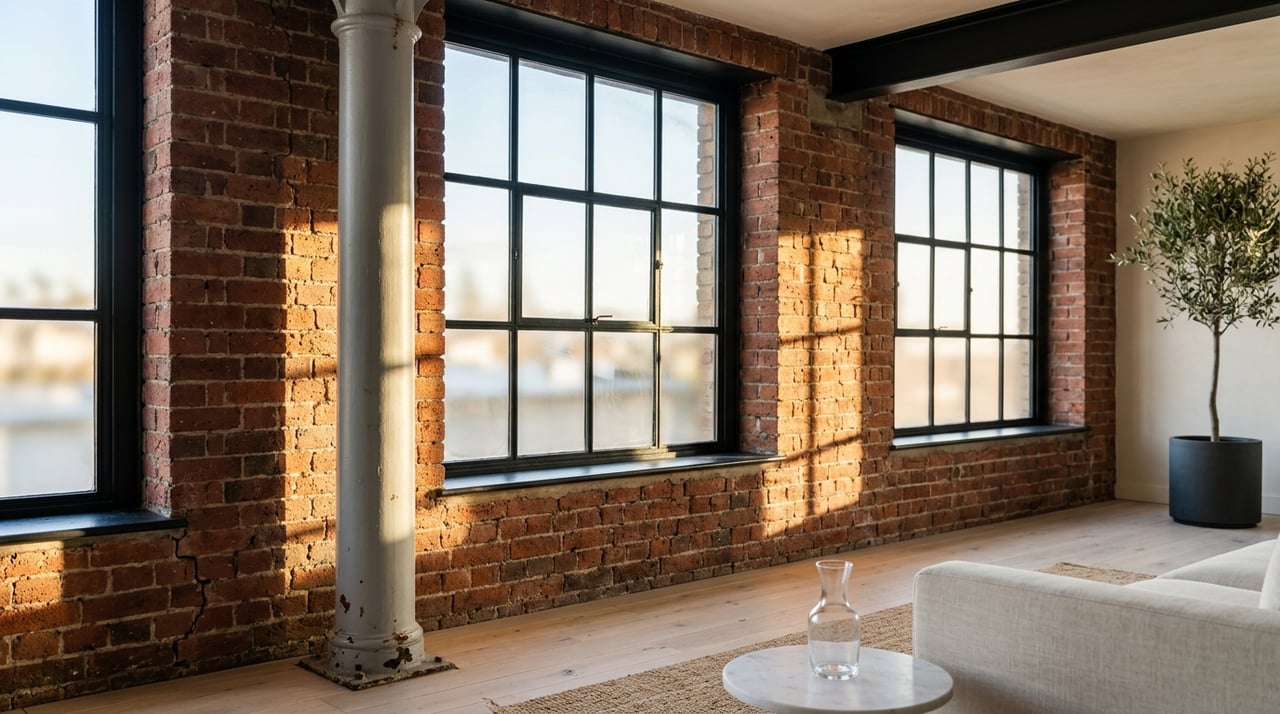
If you are buying or selling in SoHo, the architecture is not just part of the backdrop. It is often part of the price. In a neighborhood known for cast-iron buildings, tall ceilings, and expansive loft layouts, design choices can shape how a home is perceived and what buyers are willing to pay. Understanding how SoHo’s architecture influences value can help you make smarter decisions, whether you are preparing a listing or comparing lofts. Let’s dive in.
Why SoHo’s Architecture Matters
SoHo stands apart because its built environment is unusually cohesive and carefully preserved. The original SoHo-Cast Iron Historic District was designated in 1973, and an extension in 2010 added about 135 more protected properties along Crosby, Howard, and nearby blocks.
That preservation matters because it protects the neighborhood’s defining look and feel. The Landmarks Preservation Commission describes SoHo as an area of former store-and-loft buildings built for wholesale dry-goods merchants and manufacturing uses, with styles that include Italianate, neo-Grec, Queen Anne, Romanesque Revival, and Renaissance Revival.
The neighborhood’s design also shaped the homes people value today. Cast iron made larger openings and more daylight possible, while the original loft buildings created wide, open interiors with high ceilings. Those qualities helped attract artists in the 1960s and continue to influence buyer demand now.
The Features That Often Support Value
Natural Light and Window Size
In SoHo, light is a major part of the appeal. The neighborhood’s cast-iron buildings were designed with larger window openings, which helped bring daylight deep into interior spaces.
That matters in today’s market because buyers often respond strongly to bright lofts with a clear sense of openness. In many cases, the rhythm and scale of the windows are not just aesthetic details. They are part of what makes a SoHo home feel authentic.
Window quality can also affect value in a practical way. In historic openings, replacement windows generally need to match historic windows in configuration, operation, details, material, and finish, or otherwise harmonize with the building. That means thoughtful window upkeep and appropriate replacements can support both appearance and compliance.
Ceiling Height and Interior Volume
Volume is one of SoHo’s signature advantages. The neighborhood’s large, high-ceilinged lofts remain attractive because they create a sense of scale that is hard to replicate in other Manhattan housing stock.
For buyers, this can translate into a stronger emotional response the moment they walk in. For sellers, that means ceiling height is often one of the home’s most valuable assets, especially when it is paired with a layout that feels useful and easy to live in.
Authentic Historic Materials
Original architectural elements can play an important role in how a home is valued. Cast-iron columns, brick piers, corbelled cornices, and similar details are part of SoHo’s historic character, not just surface decoration.
That distinction matters because buyers are often not just paying for square footage. They are paying for the experience of living in a true SoHo loft, and that experience is often tied to visible structure, industrial scale, and preserved materials.
Open Layout Flexibility
SoHo’s former factory and loft buildings helped create the open-floor-plan apartments many buyers still want today. Flexible interiors can be especially valuable because they allow you to shape the space around how you live without losing the loft’s core character.
That said, openness works best when it is balanced with function. A loft that keeps a strong sense of scale while also creating practical zones for living, dining, sleeping, and storage is often easier for buyers to understand and appreciate.
Renovation Quality
In the current Manhattan market, correctly priced and move-in-ready homes are selling efficiently. In SoHo, that tends to reward renovations that improve daily function while respecting the architecture.
The strongest results often come from updates that preserve what makes the loft special. Finishes that feel overly trendy or that fight the building’s original character may not land as well as renovations that feel calm, cohesive, and architecturally appropriate.
Why Preservation Rules Affect Price
Exterior Changes Are Often Regulated
In SoHo, value is closely tied to preservation, and preservation comes with process. Most exterior changes to front and rear facades in historic districts require Landmarks Preservation Commission review, while ordinary repairs like replacing broken glass or repainting to match the existing color typically do not.
For owners, this means visible exterior work is rarely just a design decision. It can affect timing, cost, and the scope of what is possible, all of which can influence how buyers view the property.
Window Work Needs Extra Attention
Window work deserves special care in SoHo because historic openings are often treated as significant architectural features. If a window or door opening is original or historic, new windows generally need to match the historic windows in configuration, operation, details, material, and finish.
Even when a change is permitted, it must harmonize with the building and not detract from significant architectural features. For sellers, that makes properly executed window work a meaningful part of presentation and value. For buyers, it is worth confirming what has been updated and whether it aligns with applicable standards.
Use Status Can Matter in Some Lofts
A subset of SoHo lofts may still involve use-status questions. Under the City’s SoHo and NoHo guidance, existing JLWQA use may continue, but a buyer who is not otherwise entitled to occupy a JLWQA unit may need to convert it to general residential use before lawful occupancy.
That process can involve City Planning Commission certification, a one-time contribution to the SoHo-NoHo Arts Fund, Department of Buildings filing, and a certificate of occupancy. If you are buying, it is smart to verify loft status early so you understand whether any extra steps may be required.
How Buyers Read Value in SoHo
SoHo remains one of Manhattan’s top-end markets. StreetEasy reports a median sale price of $3.4 million and 55 days on market for the neighborhood, and its 2025 year-in-review ranked SoHo as the city’s most expensive sales neighborhood by median asking price at $3,995,000.
In a market like that, buyers tend to look beyond finishes alone. They often compare how much original loft character remains, how well the renovation fits the architecture, and whether the space feels both distinctive and livable.
In practical terms, buyers often respond to a combination of qualities such as:
- Strong natural light
- High ceilings and open volume
- Preserved architectural details
- Functional layout planning
- Renovations that feel move-in ready
- Clear understanding of any landmark or occupancy considerations
When those elements come together, a home is often easier to position and easier for buyers to value with confidence.
What Sellers Should Protect Before Listing
If you are preparing a SoHo home for sale, the goal is not to erase its history. The goal is to present its best version.
That usually means protecting the features that define the loft in the first place. Daylight, ceiling height, window quality, and visible historic fabric are often among the most defensible value drivers in this market.
Before listing, it can help to focus on improvements that support those assets, such as:
- Refining the layout without over-dividing the space
- Repairing rather than obscuring original materials where appropriate
- Updating finishes in a way that feels clean and consistent with the architecture
- Reviewing any visible exterior or window work carefully
- Making the home feel move-in ready without stripping away character
For many sellers, this is where hands-on preparation matters. A thoughtful plan for staging, repairs, and vendor coordination can help a buyer see the space clearly and understand why it belongs in SoHo’s premium tier.
The Bottom Line on SoHo Home Value
In SoHo, architecture and design influence home value because they shape both demand and complexity. Buyers are often drawn to light, scale, authenticity, and open loft living, but they are also weighing renovation quality, preservation standards, and in some cases legal occupancy questions.
That is why the highest-performing properties are often the ones that balance character with function. The sweet spot is not history alone and not renovation alone. It is the combination of authentic SoHo architecture and smart, respectful updates.
If you are thinking about selling or buying in SoHo, a neighborhood-specific strategy can make a real difference. The right guidance can help you identify which features are adding value, which updates deserve attention, and how to navigate the details with confidence. To start that conversation, connect with the DTNYC Team.
FAQs
How does SoHo architecture affect condo and loft value?
- SoHo architecture can influence value through natural light, high ceilings, original materials, open layouts, and the overall authenticity of the loft experience.
Do original details always increase value in a SoHo home?
- Not always. Original details tend to help most when they support light, scale, authenticity, and everyday function rather than getting in the way of circulation or usability.
Can you replace windows in a SoHo historic district building?
- Often yes, but if the opening is original or historic, replacement windows generally need to match historic windows in configuration, operation, details, material, and finish, or otherwise harmonize with the building.
Why should buyers verify loft status in SoHo early?
- Some lofts may have JLWQA or related occupancy considerations, and early review can help you understand whether any conversion steps are needed before lawful residential occupancy.
What improvements usually make the most sense before selling a SoHo loft?
- Improvements that preserve daylight, ceiling height, window quality, visible historic character, and move-in-ready function are often the most defensible choices in SoHo’s market.
