Dreaming of life behind a classic stoop on the Upper West Side? Brownstones offer character, space, and privacy that condos rarely match, but layouts and rules can be confusing. You want to understand how these homes are organized, what really drives value, and how renovation status and landmark rules affect your plans. This guide breaks down typical floor plans, condition levels, approvals, and the features that matter most, plus practical checklists for buyers and sellers. Let’s dive in.
What a UWS brownstone is
Upper West Side brownstones are late 19th and early 20th century row houses. Many were built in brownstone, limestone, or brick, often on narrow lots around 16 to 20 feet wide. Most include multiple full stories, a raised parlor floor, an English basement or garden level, a rear yard, and a flat roof.
You will see classic elements like front stoops, high ceilings on the parlor level, and original woodwork or mantels. Some remain single-family homes. Others are multi-family buildings with one or more legal apartments. These differences affect financing, insurance, approvals, and resale.
Inside layouts that shape life
Parlor level
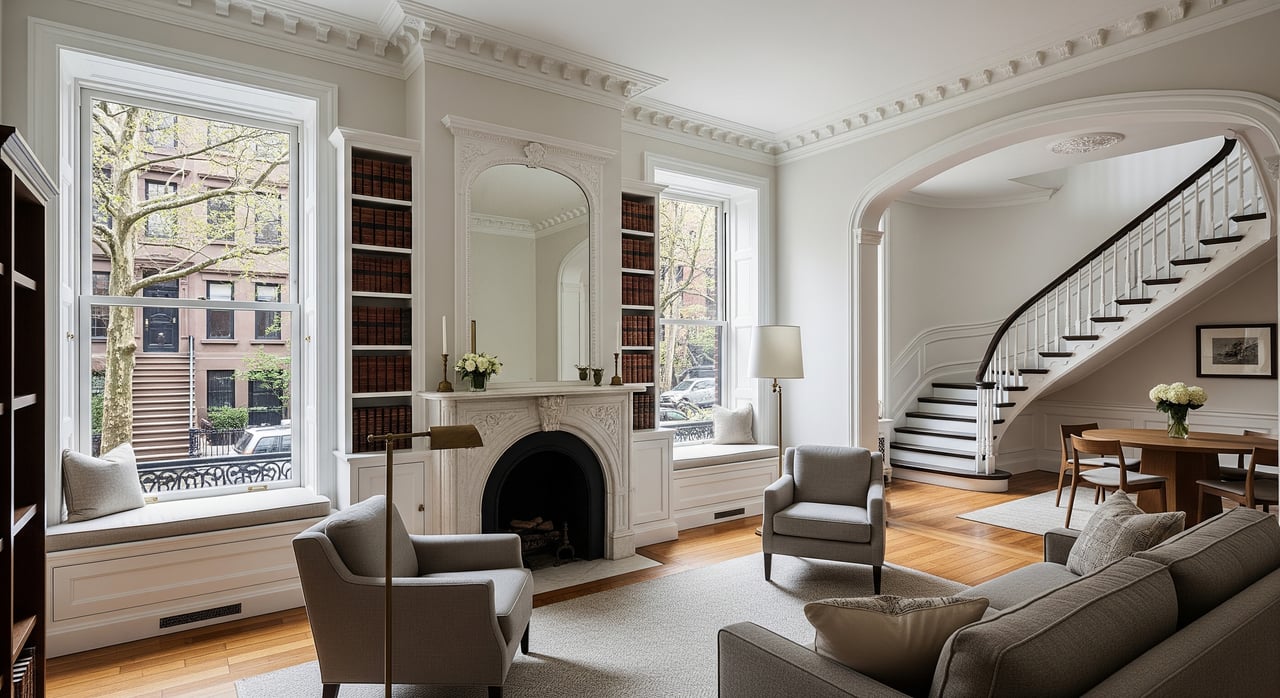
The parlor is the elevated main floor, reached by stoop stairs. It often has 10 to 12 foot ceilings or higher and tall windows. This is the formal living and dining level with strong curb appeal and light. Because the entry is raised, many owners use a secondary entrance for daily comings and goings.
Garden or English basement
The garden level sits partially below grade and connects to the backyard. It is often used for a kitchen and family room, a home office, or a separate apartment. Expect lower ceiling heights and different light than the parlor. Moisture control and proper egress are practical musts for comfort and safety.
Upper floors and roof
Bedroom floors typically sit above the parlor. Ceiling heights are lower than the parlor, with multiple bedrooms and baths per level. Top floors sometimes held small staff rooms historically, now used as bedrooms or flex spaces. Roof access and decks are popular, but rooftop work is regulated and often needs approvals.
Single-family vs multi-unit
Many UWS houses are single-family. Others combine an owner’s residence with a legal rental apartment, often on the garden level. Some are fully converted multi-unit buildings. These differences influence valuation, buyer pool, and what lenders will allow. Always confirm the legal use and Certificate of Occupancy before you buy.
Variations that change livability
- Floor-through vs duplex. A full-floor residence offers single-level living on that floor. A duplex connects two levels, such as parlor and garden, which changes circulation and where you spend your day.
- Open vs compartmentalized rooms. Older layouts separate living and dining. Many renovations open the kitchen to living areas, especially on the parlor or garden level, to suit modern entertaining and sightlines to the rear yard.
- Light and windows. Corner properties, rear extensions, and light wells can boost natural light. Narrow footprints can create deeper interior rooms that feel darker without through light.
- Systems and service spaces. Mechanicals and laundry are often in the cellar. Adding central HVAC or an elevator within a historic shell can be complex and costly, with permits required.
Condition and what it means
Estate or original condition
These homes may preserve ornate woodwork, plaster, mantels, and staircases, but often show deferred maintenance. You may encounter older electrical like knob-and-tube, original plumbing, aging boilers or radiators, roof or cornice repairs, and cellar moisture. The preservation potential is high, but plan for significant upgrades to meet current codes and comfort.
Partial or upgraded renovation
Core systems may be modernized, with updated kitchens and baths and some original detail preserved. These homes reduce move-in disruption and command higher prices than estate condition, while leaving room for future customization.
Full gut or contemporary renovation
A full rebuild replaces interiors with new systems, open plans, new windows, and sometimes rooftop changes. This can deliver high-end finishes and modern flow, though it may remove original details. If the exterior is visible from the street and the property is landmarked, approvals are typically required for changes.
Time, permits, and financing
Significant renovations commonly take months to well over a year. Structural work and full gut projects trigger multiple Department of Buildings filings and inspections. If the building is within a historic district or is an individual landmark, exterior work generally requires Landmarks Preservation Commission review. Lenders may restrict financing on properties with extensive deferred maintenance, and construction loans are common for large rehabs. Budget for contingencies, since older homes can reveal hidden issues once work starts.
Rules that impact plans
Landmark districts
Much of the Upper West Side falls within historic districts or includes individual landmarks. Visible exterior changes such as stoop work, window alterations, facade repair, or rooftop additions generally require Landmarks Preservation Commission permits. Expect standards that favor period-appropriate materials and details. Plan timelines with this in mind.
DOB and zoning basics
Interior alterations, structural changes, new egress, unit reconfigurations, and rooftop bulkheads require Department of Buildings filings and inspections. Roof decks, dormers, and access bulkheads are also regulated by zoning. Work with an architect experienced in these approvals before you commit to plans.
Legal units and rentals
Garden apartments are common on the UWS, but not all are legal dwelling units. Legal status affects financing, insurance, and resale value. Legalizing a unit can be costly and may require upgrades across building systems to meet code.
Taxes and ownership
Townhouses are typically fee simple with taxes paid through the Department of Finance. Multi-unit configurations may have different tax treatments. Ownership patterns vary across single-family, owner-occupied with a rental, and investor-held multi-family. The ownership type shapes your buyer pool and sale process.
Features that drive value
- Outdoor space. A rear yard, terrace, or roof deck is highly prized and can command a premium.
- Stoop and parlor entry. Classic stoops and elevated parlors deliver curb appeal and historic character that attract townhouse buyers.
- Ceiling height and natural light. High parlor ceilings and larger windows increase perceived volume and value.
- Original architectural detail. Preserved moldings, mantels, staircases, and plasterwork are often premium features. Balance detail with functional, modern flow.
- Layout and modernized spaces. Open kitchens near living areas and well-planned bedroom levels appeal to today’s buyers.
- Legal rental unit. A separate legal apartment can add income and broaden the buyer pool. Informal units raise financing and legal risk.
- Updated systems. Modern plumbing, electrical, HVAC, and insulation reduce future capital needs and increase buyer confidence.
- Micro-location. Tree-lined blocks, access to parks, transit, and neighborhood retail influence demand and resale speed.
Buyer checklist
- Order comprehensive inspections. Include a structural engineer, roof, facade and cornice, chimney, plumbing, electrical, and pest inspections. For estate properties, consider environmental testing for lead paint or asbestos and a moisture assessment.
- Verify legal use. Review Department of Buildings records, permits, violations, and the Certificate of Occupancy. Confirm if the garden level is a legal dwelling unit.
- Test your plan. Before you assume you can open walls, add a roof deck, or install an elevator, consult an architect and contractor experienced with UWS brownstones and approvals.
- Map financing early. Discuss mortgage options and potential construction loans with lenders familiar with townhouse appraisals and condition requirements.
- Assess light and flow. Visit at different times of day to gauge light, street noise, and how the parlor, garden, and bedroom levels connect in daily life.
Seller strategy on the UWS
- Disclose what you know. Be upfront about violations, past work without permits, and the legal status of any apartment. Transparency preserves deal momentum.
- Lead with what buyers value. Emphasize outdoor space, ceiling height, preserved period detail, modern systems, legal rental income, and the flow between parlor and garden levels.
- Clarify the layout story. Provide accurate floor plans and photography that show circulation, where daily living happens, and how bedrooms stack.
- Stage for vertical living. Thoughtful staging and vendor coordination help buyers understand scale and use across multiple floors. If systems are updated, call that out.
- Set timing and price by condition. Single-family townhouses serve a narrower buyer pool than condos. Align pricing with local comps, condition, landmark status, and unique features like roof rights.
- Position estate condition as an opportunity. Some buyers seek a blank canvas. Frame the scope honestly while showing potential for modern flow and restored detail.
The bottom line
A UWS brownstone delivers space, character, and long-term value when you understand how layout, condition, and approvals intersect. If you are buying, focus on legal status, inspections, and what approvals your plans will need. If you are selling, package the home’s story around flow, detail, systems, and outdoor space, with clear disclosures and compelling staging. If you want a guide who lives this market every day, reach out to the DTNYC Team for tailored advice and a plan that fits your goals.
FAQs
Can I add a roof deck on a UWS brownstone?
- Roof decks typically require Department of Buildings permits and, if in a historic district or visible from the street, Landmarks Preservation Commission approval. Expect added time for reviews and inspections.
How does a garden-level apartment affect value and financing?
- A legal apartment can enhance value by adding income and expanding the buyer pool. If the unit is not legal, it can complicate financing and resale. Always verify the Certificate of Occupancy.
What inspections do I need before buying a brownstone?
- Engage a structural engineer and inspectors for roof, facade, chimney, plumbing, electrical, and pests. For older properties, consider environmental testing and a cellar moisture assessment.
How long do townhouse renovations usually take?
- Timelines vary by scope, but significant projects often run from several months to well over a year. Structural work, system upgrades, and any landmark or rooftop changes add approvals and time.
Does landmark status restrict interior renovations?
- Interior work is generally less constrained than exterior changes, but structural or egress alterations still require Department of Buildings permits. Visible exterior work usually needs Landmarks review.
Are brownstones darker or noisier than condos?
- It depends on exposure, lot width, and orientation. Corner homes and properties with rear extensions or light wells often enjoy more light. Evaluate light and noise at different times of day before committing.
