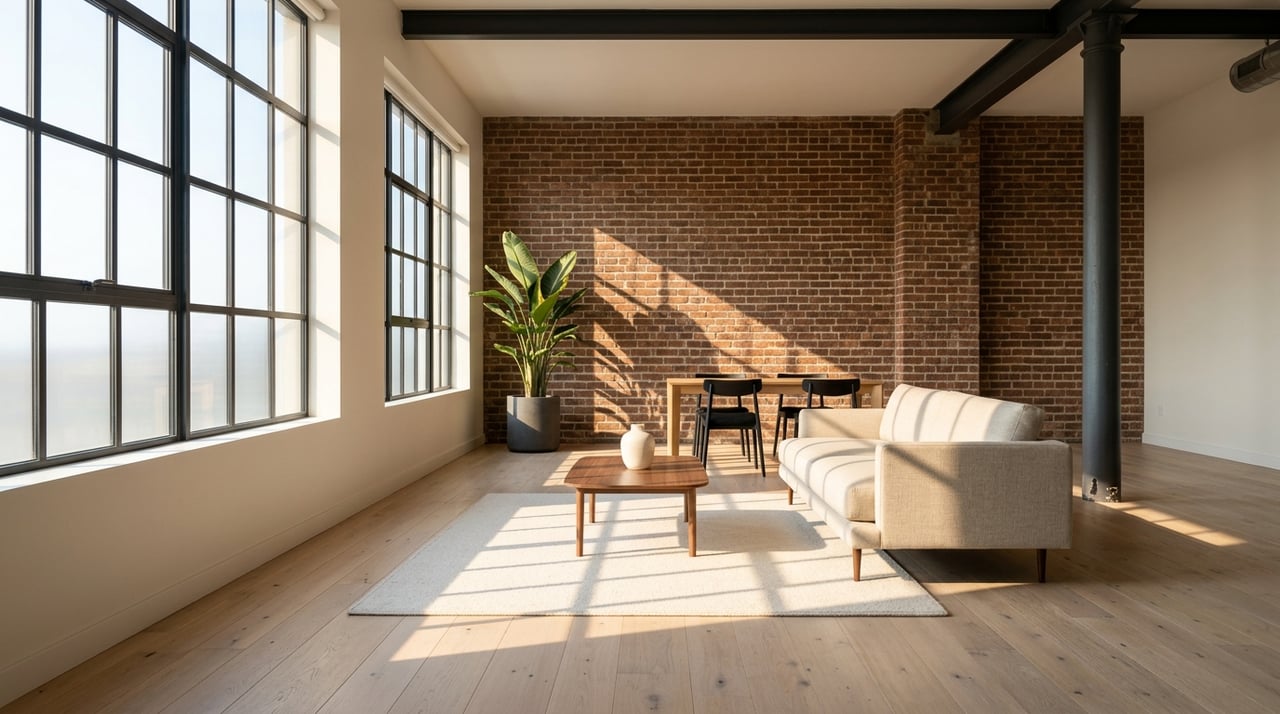
If you are selling a Tribeca loft, preparation is not a side task. It is often what shapes how buyers see the space, how long it sits on the market, and how close your final sale gets to your asking price. In a neighborhood where buyers expect character, scale, and polish, the right pre-listing plan can help your loft stand out for the right reasons. Let’s dive in.
Why prep matters in Tribeca
Tribeca remains one of Manhattan’s most expensive and closely watched markets. In StreetEasy’s 2025 year-end rankings, Tribeca was the No. 2 sales neighborhood in NYC with a median asking price of $3.985M, and the No. 1 rental neighborhood with a median asking rent of $7,900.
That premium positioning does not mean every loft sells quickly on its own. Realtor.com’s March 2026 Tribeca summary reported 147 active for-sale listings, a median listing price of $4.5M, 106 median days on market, and a 95% sale-to-list price ratio. In other words, buyers are active, but presentation and pricing discipline still matter.
Broader Manhattan demand also supports a thoughtful launch. StreetEasy reported 733 new Manhattan contracts in January 2026, up 5.6% year over year, while contract activity in the most expensive third of the market rose 29% year over year. Well-positioned homes are still attracting attention.
What buyers notice in a Tribeca loft
Tribeca is defined in part by the adaptive reuse of historic loft buildings, according to NYC planning documents. That history matters because buyers are not only evaluating finishes. They are also reacting to ceiling height, natural light, proportions, and the authenticity of the space.
In a loft, buyers often want to understand how the home lives day to day. They want to see where a dining area fits, how a living space feels at scale, and whether the layout offers flexibility without losing flow. A strong presentation helps answer those questions before a buyer ever visits.
This is where staging and visual planning can make a real difference. The National Association of Realtors reported that 83% of buyers’ agents said staging made it easier for buyers to envision the home, which is especially relevant in open-plan lofts.
Start with decluttering and cleaning
Before you think about photography or styling, start with the basics. NAR found that decluttering was the most common recommendation from seller agents at 91%, followed by cleaning the entire home at 88%.
That advice matters even more in a loft. Open layouts can feel smaller when too many objects interrupt the sightlines, and personal items can distract from the architecture. Your goal is to let buyers read the volume of the space quickly and clearly.
A simple pre-listing checklist can help:
- Remove excess decor and small objects
- Clear kitchen and bath counters
- Store personal photos and highly specific items
- Minimize pet items, toys, and visible cords
- Deep clean floors, windows, kitchens, and baths
- Make sure closets and storage areas look organized
According to Realtor.com’s listing photography guide, sellers should also make beds, open curtains and blinds, and create a clean canvas before photos are taken.
Define zones in the open layout
One of the biggest mistakes in loft preparation is pushing furniture to the perimeter and leaving the center vague. In most Tribeca lofts, buyers respond better when the open space is organized into clear functional zones.
That might include a living area, dining area, work zone, and a smaller reading or media space. The goal is not to fill the loft with more furniture. It is to show scale, purpose, and circulation without blocking the room’s best features.
NAR found that the most commonly staged rooms were the living room, primary bedroom, dining room, and kitchen. In a loft, those priorities often blend together, which makes furniture placement especially important.
Make natural light work harder
Light is one of the strongest selling features in many Tribeca lofts. If your unit has oversized windows, open exposures, or strong daylight at certain times of day, your preparation should be built around that advantage.
Realtor.com advises that listing photos should be taken in the home’s best light, with timing based on orientation. For sellers, the practical steps are straightforward.
Before launch, consider this lighting checklist:
- Clean every window thoroughly
- Open shades and blinds fully where appropriate
- Replace dim, yellowing, or mismatched bulbs
- Use consistent bulb color temperature throughout the home
- Remove furniture or decor that blocks key light paths
These details can help the loft feel brighter, taller, and more cohesive in person and online.
Choose cosmetic updates carefully
Many sellers ask whether they should renovate before listing. In Tribeca, the better answer is often to refresh, not overhaul.
Realtor.com’s Tribeca market overview notes that cosmetic updates can help, while major renovations rarely return their full cost. Paint and fixtures are specifically cited as updates that typically pay off.
That means your pre-sale budget may be better spent on targeted improvements such as:
- Fresh, neutral paint
- Updated light fixtures or hardware
- Minor repairs that buyers will notice right away
- Refinishing or touch-up work where wear is visible
In a high-end market, deferred maintenance can feel louder than it would in a more forgiving price range. Small flaws can raise bigger questions for buyers, so a focused refresh often goes a long way.
Check landmark and loft rules early
In Tribeca, not every change is just a design decision. Some work may require review depending on the building and the scope.
NYC states that the Landmarks Preservation Commission must approve changes to a landmark, including certain alterations, reconstructions, demolitions, and new construction. Since Tribeca overlaps multiple historic districts, it is smart to confirm what applies before starting work.
If the property is an Interim Multiple Dwelling or otherwise subject to loft regulation, legal status also matters. The NYC Loft Board regulates the conversion of certain commercial or manufacturing lofts to residential use and oversees legalization issues.
For sellers, the practical takeaway is simple: verify records, permits, and building status early. It is usually best to keep prep work focused on presentation-driven updates unless you know more extensive work is clearly supported.
Prepare for photography and video
Most buyers will see your loft online before they ever step inside. That is why photo and video preparation should be treated as part of the sales strategy, not the final step.
NAR found that photos were important to 73% of buyers’ agents, followed by physical staging at 57%, videos at 48%, and virtual tours at 43%. In a luxury neighborhood like Tribeca, those materials help buyers understand the home before scheduling a showing.
Realtor.com’s photography guidance recommends:
- Cleaning, decluttering, and staging before the shoot
- Having occupants vacate for a few hours
- Opening curtains and blinds
- Using a shot list
- Photographing from multiple angles in horizontal format
For a Tribeca loft, the visual priorities are usually natural light, ceiling height, proportion, and flow. If the room feels calm, open, and easy to understand on screen, buyers are more likely to engage with the listing and take the next step.
Build a launch plan, not just a to-do list
The best sales prep in Tribeca is coordinated. Decluttering, touch-ups, staging, photography, and listing strategy work better when they are planned in the right order.
A streamlined pre-listing sequence often looks like this:
- Assess the loft’s condition and market position
- Confirm any building, landmark, or loft-status issues
- Declutter and deep clean
- Complete cosmetic fixes and light updates
- Stage key zones to show scale and function
- Schedule professional photography, video, and virtual assets
- Launch with pricing and marketing aligned to current demand
This kind of planning can help reduce friction, avoid last-minute decisions, and give your loft a stronger first impression when it hits the market.
Why a white-glove approach helps
Selling a Tribeca loft can involve more moving parts than sellers expect. The home itself may be open-plan, architecturally distinct, or subject to building-specific rules. At the same time, buyers in this segment tend to compare presentation closely.
That is why a hands-on process matters. With staging coordination, vendor management, and a clear launch strategy, you can make decisions based on what supports the sale instead of guessing where to spend time or money.
If you are thinking about selling, the DTNYC Team can help you prepare your Tribeca loft with a tailored, high-touch strategy that aligns presentation, timing, and market positioning. If you want a clear plan before you list, start with their VIP Market Valuation.
FAQs
What should I do first when preparing a Tribeca loft for sale?
- Start with decluttering, cleaning, and a full review of the loft’s condition so you can identify what needs to be removed, repaired, or refreshed before staging and photography.
Is staging important for selling a Tribeca loft?
- Yes. NAR reported that 83% of buyers’ agents said staging made it easier for buyers to envision the home, which is especially useful in open loft layouts where function and scale need to feel clear.
Should I renovate my Tribeca loft before listing it?
- Usually, targeted cosmetic updates are the better move. Realtor.com’s Tribeca guidance says paint and fixtures typically pay off, while major renovations rarely return their full cost.
Do Tribeca loft sellers need to check landmark rules before making changes?
- Yes. If your loft is in a landmarked building or historic district, Landmarks Preservation Commission review may be required for certain work, so it is wise to verify that before starting updates.
What marketing materials matter most for a Tribeca loft listing?
- Strong photography is essential, and video and virtual tours can also help. NAR found that buyers’ agents consider photos, videos, and virtual tours important when clients evaluate homes.
How can I make an open-plan Tribeca loft look better in listing photos?
- Define clear living zones, reduce visual clutter, maximize natural light, and arrange furniture to show flow and scale without blocking major architectural features.
