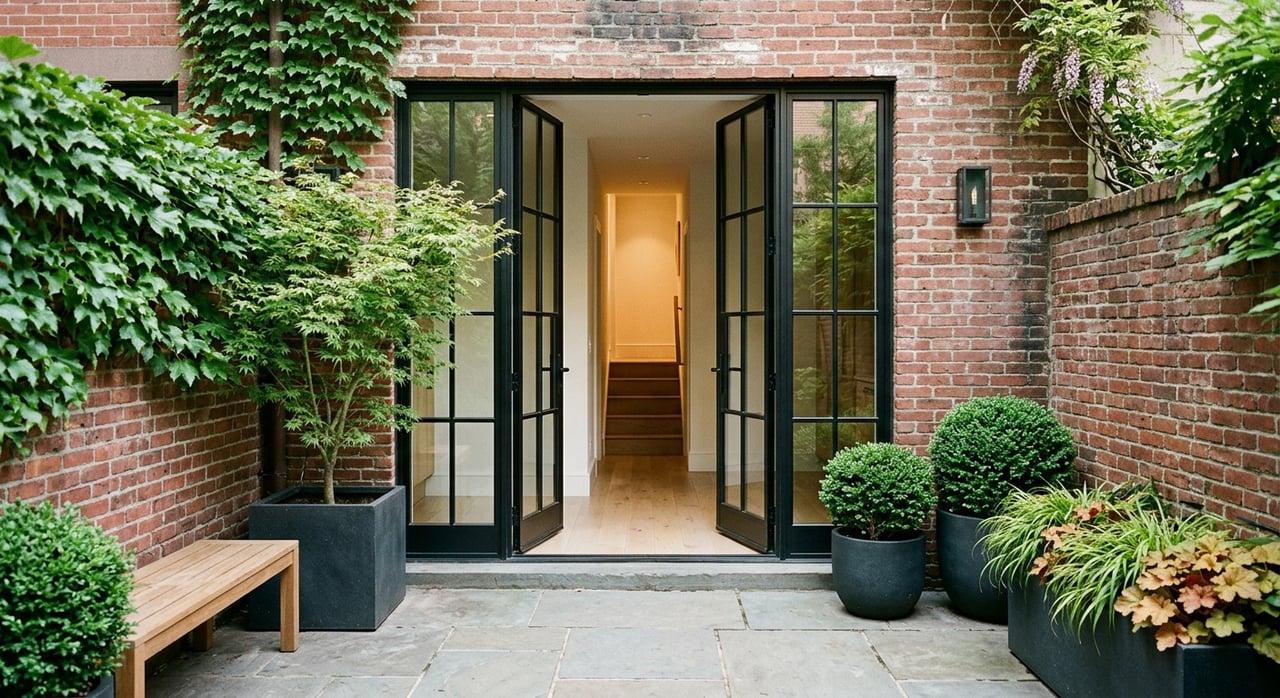
Wondering whether a townhouse or a loft is the better fit in Tribeca? It is one of the neighborhood’s most important lifestyle decisions, because these two home types can feel very different day to day. If you are weighing privacy, outdoor space, upkeep, stairs, or building services, this guide will help you compare the trade-offs with Tribeca in mind. Let’s dive in.
Why this choice matters in Tribeca
Tribeca is not a one-note neighborhood, and that is exactly why this comparison matters. New York City Planning describes Tribeca as the city’s first residential neighborhood, later a commercial center filled with store-and-loft buildings, and today a place where residential and commercial uses still mix.
That history helps explain why you can find both house-like townhouse living and expansive loft living here. It also matters that much of Tribeca falls within four historic districts: Tribeca East, North, South, and West. In practical terms, that can shape what you buy, how you live in it, and what changes you may be able to make later.
What counts as a townhouse
In New York City building code terms, a townhouse unit is a single-family dwelling in a group of three or more attached units. Each one extends from the foundation to the roof, has open space on at least two sides, and has its own separate means of egress.
For you as a buyer, that usually translates to a more house-like vertical home. Instead of living within a shared apartment building, you are often living across multiple floors in a home with its own street presence and its own front door.
What counts as a loft
The Department of Buildings defines a loft as a building or space within a building that was designed for commercial or manufacturing use, generally built before 1930. In Tribeca, that often means a former warehouse, factory, or store-and-loft building that was later adapted for residential use.
This is a big reason lofts in Tribeca often feel so distinctive. Many were originally built to provide large, open interior spaces for storage and selling goods, especially in the neighborhood’s historic store-and-loft buildings from the 1850s onward.
Privacy and entry experience
One of the biggest lifestyle differences is how you enter and move through your home. A townhouse usually offers a direct street entrance and a single-household circulation pattern, which can feel more private from the moment you step inside.
A loft usually sits within a multi-unit building. Depending on whether it is a condo or co-op, that often means shared lobbies, common elements, and building rules that shape daily life. Neither setup is better across the board, but they create very different living rhythms.
When a townhouse may feel better
A townhouse may appeal to you if you want a stronger sense of separation from neighbors and building traffic. The front door experience tends to feel more personal and more house-like.
That can be especially appealing if you value direct access, prefer less shared circulation, or simply like the idea of living in a home with its own clear threshold from street to interior.
When a loft may feel better
A loft may be the better fit if you are comfortable with shared-building living and prefer the convenience that can come with it. In many cases, your day-to-day life includes common spaces and building systems that are managed at the property level rather than by you alone.
For some buyers, that trade-off is well worth it for the layout and character loft buildings can offer.
Layout and sense of space
If your priority is openness, loft living often stands out. Tribeca’s classic store-and-loft buildings were designed with large interior spans, which is why many loft homes feel expansive and flexible.
A townhouse offers a different kind of space. Instead of one broad floor plate, you are usually living vertically across several stories. Some buyers love the natural separation between living, sleeping, and work areas. Others prefer the open, flowing feel of a loft.
Loft layouts in Tribeca
Many lofts in Tribeca are found in five- to ten-story store-and-loft buildings. Lower floors may include retail or office uses, while upper floors may contain residential, office, or studio spaces.
That historic pattern helps explain the classic loft feel: large rooms, open plans, and a layout that may be easier to adapt to changing needs over time.
Townhouse layouts in Tribeca
A townhouse in Tribeca is more likely to read as an attached rowhouse-style home. You may see a stoop, front areaway, and potentially access to a rear yard, deck, or roof area, depending on the property and applicable rules.
If you like having distinct levels and a more traditional division of space, a townhouse often delivers that better than a loft.
Outdoor space potential
Outdoor space is one of the clearest practical differences buyers compare. In Tribeca, townhouses are often the property type most likely to connect to usable private outdoor space.
That is because Landmark Preservation Commission rules for rowhouses and townhouses specifically discuss front areaways, planted areas, fences, rear yards, decks, and rooftop or rear-yard additions in historic districts. A loft can also have a terrace or roof access, but those features depend heavily on the specific building.
Townhouse outdoor space
If daily access to outdoor space matters to you, a townhouse may offer more possibilities. Depending on the setup, that could include private outdoor areas, shared grounds, or a mix of both.
That said, if the townhouse is part of a townhouse-type condo development, the exact ownership and maintenance structure can vary. Shared roads, sidewalks, drainage, and retaining walls may be part of the arrangement, so it is worth reading the offering plan closely.
Loft outdoor space
A loft can absolutely include outdoor features, but you should not assume they come standard. Terraces and roof access are property-specific, and in historic districts, exterior changes can trigger review.
If outdoor living is high on your list, it is smart to evaluate each loft building individually rather than treating it as a typical loft feature.
Stairs, elevators, and daily ease
This is where your daily habits matter as much as the floor plan. A townhouse extends from foundation to roof, so stairs are usually part of normal life unless the home has been altered to include a private elevator.
With a loft, the conversation often shifts to shared-building systems. New York City buyer guidance for co-op and condo purchases recommends examining elevators, roofs, facades, windows, HVAC, plumbing, and electrical systems as part of the purchase process.
Townhouse circulation
Townhouse living can feel wonderfully private and house-like, but it also means moving between levels every day. For some buyers, that is part of the appeal. For others, it becomes a key consideration over time.
If you are comparing options seriously, think about how you want to live, not just how you want the home to look.
Loft building systems
A loft may offer easier single-level living inside the unit, but you should look carefully at the building’s shared systems. Elevator condition, facade upkeep, roofing, and other common building elements can all affect your ownership experience.
This is especially important in older Tribeca buildings, where character and scale are often part of the appeal.
Maintenance and monthly costs
Townhouse and loft ownership also differ in how responsibility is divided. For a one- or two-family dwelling, the New York City Housing Maintenance Code says the owner must keep the premises in good repair. The city also states that property owners are responsible for adjoining sidewalks.
With a condo, you own your unit plus an interest in the common elements and typically pay common charges. The offering plan should explain responsibility for maintenance, repairs, and insurance. With a co-op, each owner pays maintenance charges based on the shares allocated to the apartment.
What townhouse owners should expect
If you own a townhouse, you are often taking on more direct responsibility for the property itself. That can include repairs and exterior upkeep, and it may include sidewalk obligations as well.
Some buyers appreciate that control. Others prefer a structure where more of those responsibilities are handled through a shared building system.
What loft owners should expect
If you buy a loft in a condo or co-op, monthly carrying costs usually reflect the building’s ownership structure. Instead of managing every exterior issue yourself, you are contributing through common charges or maintenance.
That does not mean fewer costs overall in every case. It means the costs are often organized differently, with more shared responsibility across the building.
Renovation limits in Tribeca historic districts
If you are buying with renovation plans in mind, this point is critical. In Tribeca’s historic districts, exterior changes are regulated after designation, and the Landmark Preservation Commission works with owners to ensure proposed changes fit the building or district.
That means exterior work is not just a design question. If you want to change a facade, stoop, windows, roof line, terrace, rear addition, or similar feature, you should assume review may be part of the process.
Townhouse renovation questions
Townhouse buyers often ask about roof decks, rear-yard additions, front areaways, or facade updates. In Tribeca, these are exactly the kinds of features that can be affected by historic-district rules.
If your long-term plan includes changing how the exterior looks or functions, make that part of your due diligence early.
Loft renovation questions
Loft buyers should also be careful not to assume exterior changes are simple. Roof access, terraces, windows, and rooftop changes may all be subject to review depending on the building and location.
Even when the interior is the bigger draw, the building envelope still matters.
Which home type fits your lifestyle
The better choice usually comes down to how you want to live in Tribeca day to day. A townhouse often suits buyers who want a more house-like pattern of living, more direct control over their space, and stronger potential for daily-use outdoor areas.
A loft often suits buyers who value open layouts, single-level living within the unit, and the convenience of shared-building systems. Neither is inherently superior. The right answer depends on how you weigh privacy, stairs, maintenance, and service structure.
Smart questions to ask before you buy
Before you decide between townhouse and loft living in Tribeca, ask a few practical questions:
- Do you want a direct street entrance or are you comfortable with shared-building access?
- How important is private outdoor space to your daily routine?
- Are stairs a feature you enjoy or a factor you want to limit?
- Would you rather manage more property upkeep directly or contribute through common charges or maintenance?
- Are you planning future exterior changes that may require historic-district review?
- If the property is a condo or co-op, what do the offering plan or building documents say about repairs, insurance, and common elements?
If you answer those clearly, your shortlist usually becomes much easier to refine.
If you are weighing townhouse versus loft living in Tribeca, a clear property-by-property review can make the decision much easier. The right fit is rarely about buzzwords. It is about matching the home’s structure, costs, and rules to the way you actually want to live. For tailored guidance on Tribeca townhouses, lofts, condos, and co-ops, connect with the DTNYC Team.
FAQs
What is the difference between a townhouse and a loft in Tribeca?
- A townhouse is typically a vertical, house-like attached home that extends from foundation to roof, while a loft is usually a former commercial or manufacturing space in a multi-unit building that was adapted for residential use.
Does a Tribeca townhouse usually have more privacy than a loft?
- In many cases, yes. A townhouse often has a direct street entrance and single-household circulation, while a loft usually involves shared-building access and common spaces.
Can you add a roof deck or rear addition to a Tribeca home?
- Possibly, but in Tribeca historic districts, features like rooftops, rear-yard additions, terraces, and exterior changes may be subject to Landmark Preservation Commission review.
Who pays for maintenance in a Tribeca townhouse versus loft?
- Townhouse owners are generally responsible for keeping the premises in good repair, and property owners are also responsible for adjoining sidewalks. Loft owners in condos or co-ops usually pay common charges or maintenance based on the building’s ownership structure.
Are lofts more common than townhouses in Tribeca?
- Tribeca’s history strongly connects the neighborhood to store-and-loft buildings, and many blocks are defined by five- to six-story buildings, with taller buildings west of Sixth Avenue. That is a key reason loft-oriented housing is such a recognizable part of the neighborhood.
Is a loft or townhouse better for outdoor space in Tribeca?
- A townhouse is often more likely to offer usable private outdoor space such as a rear yard, deck, areaway, or roof area, while loft outdoor space depends more on the specific building and property setup.
