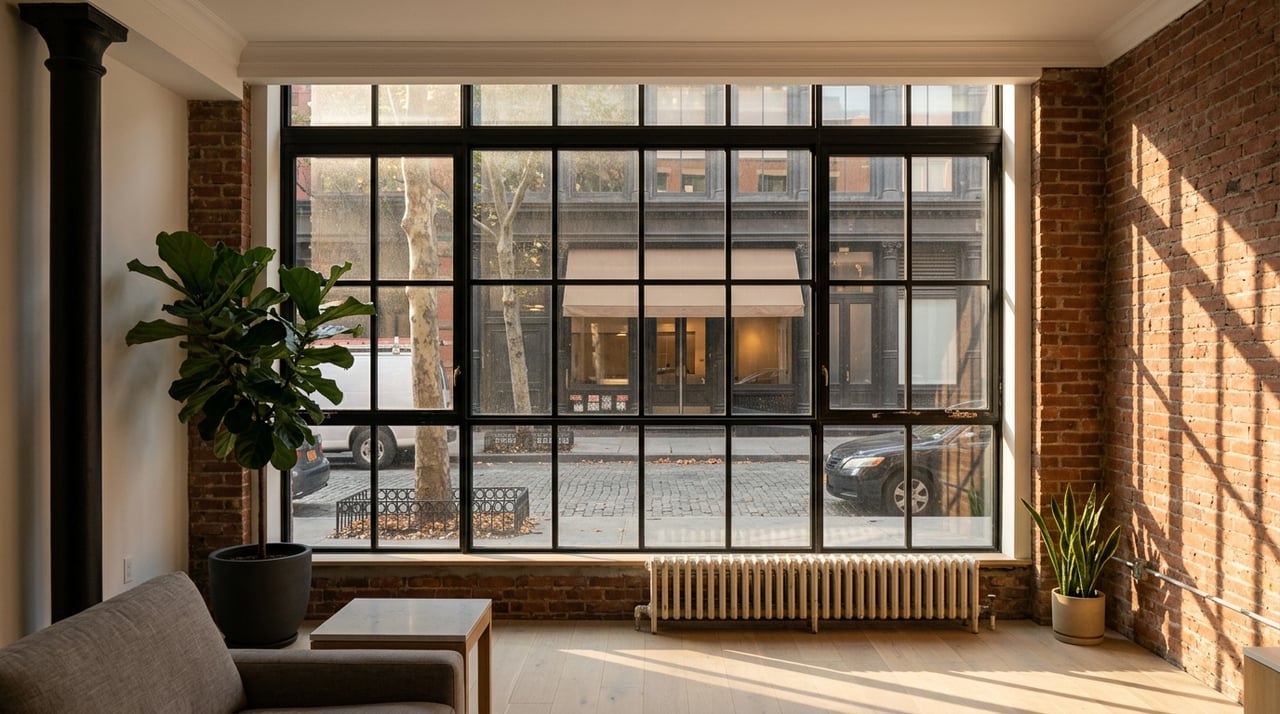
Living in SoHo can sound like a dream until you picture what “above the shops” really means day to day. If you are drawn to cast-iron lofts, walkable blocks, and the energy of Lower Manhattan, this lifestyle can be exciting and deeply convenient, but it also comes with tradeoffs you should understand before you buy. Here’s what living above storefronts in SoHo is actually like, what to expect from the buildings, and what to check before you commit. Let’s dive in.
SoHo Is Built for Mixed-Use Living
SoHo is not a neighborhood where residential life sits apart from commerce. According to NYC Planning, SoHo and NoHo are mixed-use neighborhoods where residential, office, creative, and retail uses overlap, and the city’s 2021 neighborhood plan was designed to better reflect those current conditions.
In practical terms, that means you may live over a boutique, next to a gallery, across from offices, and around the corner from restaurants, all within the same few blocks. For many buyers, that mix is the appeal. You get a neighborhood that feels active, convenient, and connected rather than quiet or secluded.
Historic Buildings Shape the Experience
A big part of SoHo’s identity comes from its architecture. The SoHo-Cast Iron Historic District was designated in 1973 and protected about 500 buildings across 25 city blocks, with a 2010 extension adding roughly 135 more properties.
Those cast-iron loft and store buildings give the neighborhood its signature look, but they also affect how you live in the space. When you buy in SoHo, you are often buying into a building with history, visual character, and rules that may differ from a more standard condo or co-op elsewhere in Manhattan.
The Streetscape Feels Active
Some SoHo blocks feel more residential than others, but the neighborhood overall is busy. The local improvement district describes SoHo Broadway as a dense mixed-use corridor with about 1.5 million square feet of retail, 3 million square feet of office space, more than 21,000 workers, and daily subway ridership above 111,000 people.
That does not mean every apartment feels hectic all the time. It does mean the area often feels visible, energetic, and visitor-heavy, especially on major shopping streets. If you want a tucked-away atmosphere, that is something to consider carefully.
What Daily Life Above the Shops Feels Like
Living above shops in SoHo usually means accepting a more commercial street rhythm. Stores open and close, deliveries arrive, trash gets collected, and foot traffic stays steady in ways that differ from a purely residential block.
The SoHo Broadway retail corridor has stayed commercially active, with retail occupancy in the low-to-mid 80% range through 2024, reported at 89% in late 2025 and 87% in early 2026. For residents, that points to a neighborhood that remains lively and in use rather than one that empties out after business hours.
Noise Is the Main Tradeoff
For most buyers, noise is the biggest quality-of-life issue to think through. If your apartment sits above a shop, restaurant, or high-traffic corner, you may hear more from the street than you would in a more residential part of downtown.
NYC’s Noise Code is enforced by the Department of Environmental Protection and NYPD. NYC311 states that bar and restaurant music between 10 PM and 7 AM is subject to specific limits, and residents can file complaints through 311. The city also offers MEND NYC mediation for repeated quality-of-life disputes between hospitality businesses and neighbors.
That framework matters, but from a buyer’s perspective, prevention is better than complaint. It is wise to understand the exact storefront use below you, the direction your windows face, and whether the apartment has upgraded windows for sound control.
Curbside Activity Is Part of the Package
Street servicing is another part of daily life that buyers sometimes underestimate. The SoHo Broadway Initiative reports removing 48,250 bags of garbage per year, or about 132 per day, which suggests frequent sanitation activity alongside deliveries and steady pedestrian movement.
This does not mean every unit will feel disrupted. A higher-floor loft on a side street may feel very different from a lower-floor unit over a major retail corridor. Still, if you are considering living above the shops, you should expect a more commercial curbside environment than you would find on a quieter residential block.
Building Rules Matter More Than You Think
In SoHo, the apartment itself is only part of the story. The building’s legal, historic, and regulatory context can affect what you can change and how easily you can make the home quieter, more private, or more efficient.
Because much of SoHo is landmarked, exterior work is not casual. The Landmarks Preservation Commission says landmarked buildings and buildings in historic districts require Commission approval in advance for most exterior alterations, reconstruction, demolition, and new construction.
Landmark Status Can Affect Upgrades
Interior work is often exempt unless it affects the exterior or is itself designated, but many of the changes buyers care about can touch the building envelope. Windows, vents, storefront elements, and some exterior-facing improvements may require LPC review.
That matters if you are counting on changing windows to improve sound control or privacy. Before you assume a unit can be modified like a typical downtown apartment, confirm what approvals may be required.
SoHo Has Unique Occupancy History
SoHo’s housing rules are layered in ways that can surprise buyers. NYC Planning says the old M1-5A and M1-5B zoning was decades old and no longer matched current conditions, which led to the 2021 creation of the Special SoHo-NoHo Mixed Use District.
The city also says the new framework kept existing Joint Living-Work Quarters for Artists uses in place and created a voluntary path for converting certain existing JLWQA space to residential use while supporting arts uses. In addition, the Department of Buildings notes that some Loft Law or IMD units can be occupied as residential without artist certification once they have completed the Loft Law process.
For you as a buyer, the takeaway is simple: do not treat every SoHo loft as interchangeable. Some units have a more complex legal or occupancy history, and those details should be reviewed carefully during due diligence.
What To Check Before You Buy
If you love the idea of SoHo living, the best next step is not to rule it in or out. It is to ask better questions. In this neighborhood, day-to-day comfort often comes down to specifics that are easy to miss during a quick showing.
Here are some of the most important things to confirm:
- Is the unit above a retail store, a restaurant, or another commercial use?
- Does the apartment face Broadway or a quieter side street?
- Are the windows upgraded for sound control?
- How are trash pickup, deliveries, and storefront servicing handled?
- Are there vents, HVAC systems, or mechanical elements near the unit?
- Is the building landmarked?
- Would any future exterior-facing improvements require LPC approval?
- Does the building or unit have JLWQA or Loft Law history?
These questions can tell you more about your future comfort than a beautifully staged interior alone. In SoHo, two lofts with similar square footage can offer very different living experiences depending on the block, floor, exposure, and building rules.
Who This Lifestyle Usually Fits Best
Living above the shops in SoHo tends to work best if you enjoy walkability, historic architecture, and a neighborhood that feels switched on. If you like being close to retail, restaurants, transit, and street life, the tradeoffs may feel well worth it.
It may be a less natural fit if you want a very quiet home, a low-traffic block, or a strong separation between residential and commercial activity. That does not mean SoHo cannot work for you, only that fit matters more here than in neighborhoods with a more traditional residential pattern.
Why Buyer Guidance Matters in SoHo
SoHo can be rewarding, but it is rarely a plug-and-play purchase. Between landmark considerations, loft history, mixed-use buildings, and the block-by-block differences in noise and activity, smart buying here depends on careful evaluation.
That is where local guidance makes a difference. A thoughtful buying process should go beyond finishes and floor plans and focus on how the apartment actually lives, what the building allows, and whether the property matches your daily habits and long-term goals.
If you are weighing a SoHo loft or comparing downtown options, the right guidance can help you look past the romance of the architecture and focus on the details that affect real life. To talk through your options with a team that understands nuanced Manhattan purchases, connect with the DTNYC Team.
FAQs
What is daily life like living above shops in SoHo?
- You should expect a more active street environment with foot traffic, deliveries, sanitation activity, and ongoing retail operations, especially on major corridors.
What should buyers know about noise in SoHo mixed-use buildings?
- Noise is often the clearest tradeoff, so it is important to check the exact commercial use below the apartment, window quality, floor level, and street exposure.
What does landmark status mean for a SoHo apartment owner?
- In landmarked buildings and historic districts, many exterior changes require Landmarks Preservation Commission approval before work begins.
What are JLWQA and Loft Law issues in SoHo buildings?
- Some SoHo properties have a unique occupancy history tied to Joint Living-Work Quarters for Artists or Loft Law rules, so buyers should confirm the unit’s status during due diligence.
Who is a good fit for living above storefronts in SoHo?
- This lifestyle usually suits buyers who value walkability, historic loft buildings, and an energetic neighborhood more than a quiet, secluded residential setting.
What should buyers check before purchasing a SoHo apartment above retail?
- Focus on the commercial use below, street exposure, sound control, trash and delivery patterns, building landmark status, and whether the unit has any special occupancy history.
